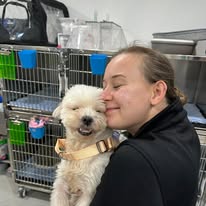
At Bayside Animal Hospital, we understand how vital mobility is to a dog’s quality of life. When a canine experiences a cranial cruciate ligament (CCL) injury, it can be a significant setback—not just for the dog but for the entire family. One of the most effective solutions in veterinary orthopedic care is TPLO surgery, a procedure designed to restore stability and function to the affected knee. While TPLO surgery has revolutionized treatment for CCL injuries, it comes with both remarkable advancements and unique challenges that pet owners should understand.
TPLO surgery, or tibial plateau leveling osteotomy, is a sophisticated procedure that addresses the instability caused by a torn CCL. Unlike traditional approaches that attempt to repair the ligament directly, TPLO alters the mechanics of the knee. By changing the angle of the tibial plateau, the procedure reduces the forward thrust of the femur during weight-bearing, thereby stabilizing the joint even in the absence of a fully functional ligament. This innovative approach has allowed dogs to regain a high level of mobility, often returning to their previous activity levels more reliably than with older surgical methods.
One of the most significant advancements in TPLO surgery is the refinement of surgical techniques and equipment. Modern veterinary practices utilize precision tools, advanced imaging, and customized implants to optimize outcomes. Preoperative planning now frequently involves digital templating and 3D modeling to ensure the correct alignment and rotation of the tibial plateau. These innovations reduce surgical errors, shorten recovery time, and improve the long-term stability of the joint. Additionally, the use of locking plates and screws has increased the structural integrity of the repair, supporting earlier mobility and lowering the risk of postoperative complications.
Rehabilitation has also seen notable progress alongside surgical improvements. Postoperative care is critical in determining the success of TPLO surgery. At Bayside Animal Hospital, we emphasize a structured rehabilitation program that includes controlled exercise, physical therapy, and pain management. Hydrotherapy, for example, allows dogs to build strength and range of motion without placing undue stress on the healing joint. Physical therapy and therapeutic exercises promote proper muscle development around the knee, which is essential for joint stability and overall recovery. These advancements in postoperative care have contributed significantly to improving outcomes and quality of life for dogs undergoing TPLO surgery near me.
Despite these advances, TPLO surgery presents certain challenges. It is a complex procedure that requires a high level of surgical skill and experience. Not every dog is an ideal candidate, and preexisting conditions, age, or body size can influence the suitability of the surgery. Dogs with severe arthritis or other orthopedic issues may require additional considerations or alternative treatment approaches. Furthermore, while TPLO surgery can dramatically improve mobility, it does not eliminate the risk of degenerative changes over time. Owners must be aware that ongoing joint care, weight management, and monitoring are essential for long-term success.
Pain management is another area where challenges remain. While modern veterinary anesthesia and analgesics have improved the comfort of dogs undergoing TPLO surgery, postoperative pain and inflammation must be carefully managed. Each dog responds differently, and individualized pain control plans are critical. Uncontrolled pain can lead to reduced mobility, delayed healing, and behavioral issues that impact the recovery process. Bayside Animal Hospital prioritizes a tailored approach, ensuring that each patient receives the most effective pain relief throughout their recovery.
Owner involvement is equally critical in optimizing outcomes. The success of TPLO surgery is not determined solely in the operating room; it extends into the home environment where proper care and rehabilitation occur. Strict adherence to postoperative activity restrictions, follow-up appointments, and at-home exercises directly influences the speed and quality of recovery. Educating pet owners on what to expect and providing clear guidance helps prevent complications such as implant failure, reinjury, or delayed healing. A well-informed and engaged owner can make a substantial difference in the long-term mobility of their dog following TPLO surgery.
Cost considerations also play a role in the decision-making process. TPLO surgery represents a significant investment in a dog’s health, reflecting the advanced techniques, specialized equipment, and extensive postoperative care required. While it may be more expensive than other surgical options, the potential for improved mobility and a higher quality of life often justifies the investment. Bayside Animal Hospital works with pet owners to provide clear guidance, financing options, and realistic expectations about the benefits and limitations of the procedure.
In conclusion, TPLO surgery represents one of the most effective tools available for restoring mobility in dogs with cranial cruciate ligament injuries. Advances in surgical technique, imaging, and rehabilitation have transformed outcomes, enabling many dogs to return to active, fulfilling lives. However, challenges remain, including the complexity of the procedure, individualized pain management, and the need for diligent postoperative care. At Bayside Animal Hospital, we are committed to guiding pet owners through each step of the process, ensuring that every dog receives the best possible chance for a full and lasting recovery. By combining expertise, innovation, and compassionate care, we continue to optimize canine mobility and enhance the bond between dogs and their families through the transformative potential of TPLO surgery.
Discover more by visiting our other blog - Dog TPLO Surgery